Showing posts with label locationless. Show all posts

Saturday, December 27, 2008

Environmental Awareness

This is not what most of you probably think it's about. When I first heard about locationless caches, it was in February 2002, less than a year after I started caching. It was an intriguing concept; find a thing that matches a particular criteria, take a picture with your GPSr, note the coordinates and then post the log with those coordinates and the pictures. Usually, locationless caches had to be unique, so people couldn't log the same thing over and over again. Once someone logged Yosemite Fall in the Beauty of Waterfalls locationless cache, then no one else could log that particular waterfall. Other waterfalls could still be logged, so the longer the caches hung around, the more interesting some of the logs and pictures tended to be because the less famous, yet still beautiful waterfalls started appearing on the cache page.

There were several things that I liked about locationless caches. I may be wrong, but I think you had to have a picture taken at your locationless find in order to get credit for the cache. I liked that, since there was no log book to prove you'd actually found what you were looking for, but there was at least visual evidence. The second reason I liked them was it made me more aware of the environment around me.
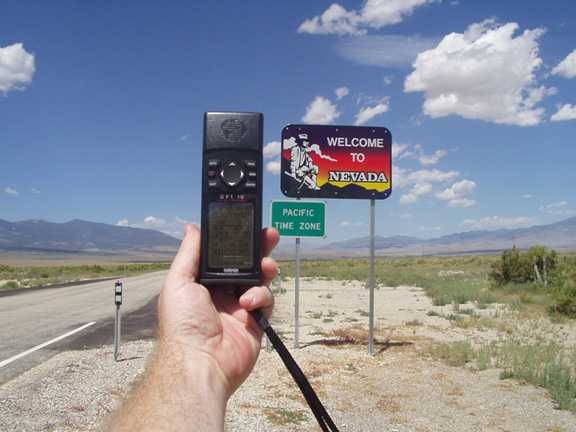
Probably the most famous of the locationless caches was Yellow Jeep Fever, where you had to get a picture of your GPSr with a yellow jeep. Sound easy? Not really. I can remember right after I discovered locationless caches, I was driving up to Lake Arrowhead and I passed a yellow jeep going the other way on the road. It was very frustrating to see something that you could log, yet not be able to for safety reasons. I actually saw another jeep, possibly the same one, when I was heading back down the road later that same day. I eventually found a yellow jeep in a parking lot in Upland, CA while I was out doing some other caching. I'd stopped to find a cache, looked over, and there was a nice jeep with Colorado license plates parked rigth there.

There were so many locationless caches during their heyday, that it was virtually impossible to keep track of all of them. I kept a running total in the back of my head of about 20 locationless caches that I found the most interesting. I figured that was about the most I could keep track of at one time without writing them all down. Once I would find one of them, then I'd substitute another one from the main list, so the list was ever changing. I liked the little challenge associated with finding them. I'd see an American flag, take the picture, get the coordinates and then go home and attempt a log. Many times, it wouldn't happen because that particular American Flag, or waterfall had already been logged. So it was important to have back up plans as well.
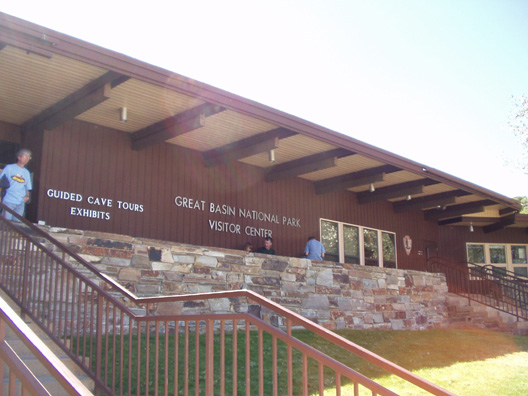
Every time we'd I would make sure we'd find a couple of the locationless caches. Some are very easy, like an American Flag. Since we would always camp in national parks, it would be fairly easy to get one of the American Flags at the park headquarters or visitors center. That same trip, I also wanted to get a park headquarters locationless too, but I didn't want to do the same area for both flag and headquarters. I wanted a little bit of a challenge.
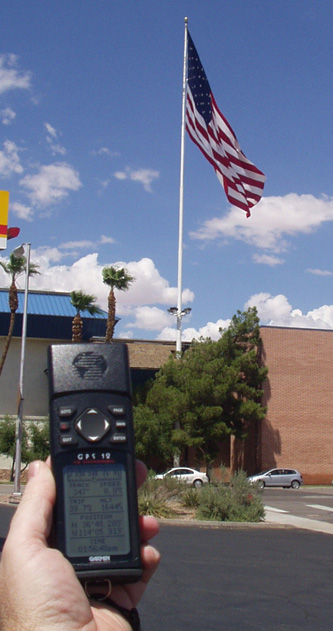
That particular year we were going to be camping at Cedar Breaks National Monument in Utah and Great Basin National Park in Nevada. I figured I'd be able to get an American Flag at one park and the park headquarters at the other park. I ended up getting the national flag before we got to either park. We'd stopped for gas in Mesquite, NV, right on the border of Nevada and Arizona along I-15. Across the street from the gas station is the Oasis Hotel and Casino. Flying out in front of the casino is the largest American flag I've ever seen, so I decided to waypoint it and take a picture of it just in case. When we got home, I discovered the flag hadn't been logged as a locationless cache yet, so I decided to log it.

Locationless caches were all archived in January 2006 and have been moved over to the Waymarking site that Geocaching.com also maintains. It's basically the same thing and yet it's not. Keeping track of locationless caches on Geocaching.com was easier for me at least. I know there are some people that have embraced Waymarking. I can take it or leave it at this point. I am an officer in the Water Tower group at Waymarking, but I haven't marked a water tower in quite some time. The thing about Waymarking that is good is the fact that you don't have to stop in a particular category after you found one. Just because I've already found a water tower, doesn't mean I have to stop looking for other water towers. With locationless caches, it was "One and Done" with a particular category. If I wanted to find more Presidential statues, I could, but I couldn't log them anywhere. So, I guess in that sense, Waymarking has taken care of that aspect of the game.

When they were around, I found 25 locationless caches. Of those 25, I think I'd still try to find 24 of them again if I could. Ironically, the one that I wouldn't find again, was the one that got me started with them. It was called Where's in a Name? and it involved getting help from someone on the other side of the world to help you log the cache. I wasn't at a particular point to take a picture and get credit for the cache. But it did get me interested in the overall process and got me to look around me a little more closely as I was out and about. You never knew when you were going to run across an astronomical observatory or a Rails to Trails that you could log.
And yet, as the locationless helped me become a little more observant about what was around me, it also didn't for some reason. I know that doesn't make sense, but when I logged the observatory locationless, there was a virtual cache at the same location. For some reason, I wasn't aware of this virtual until a couple of years later when I got back up to the same area and logged the virtual. To this day, I'm not sure why I didn't log the virtual at the same time.

Pictures were taken for logging the following locationless caches:
Yellow Jeep Fever - by Team CBX2
Make a Break for the Border - by The Dam Trolls
NPS HQ - by MartyFouts, Adopted by bullit
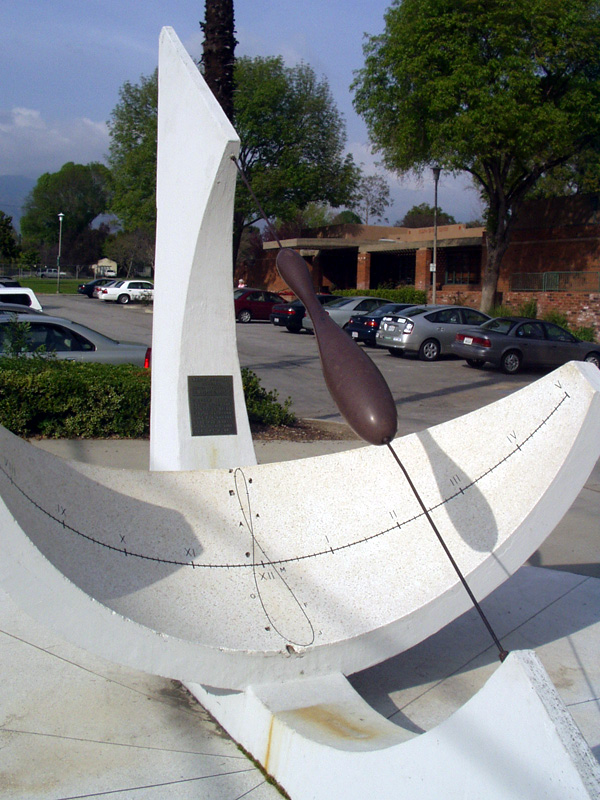
Sundials - by outforthehunt
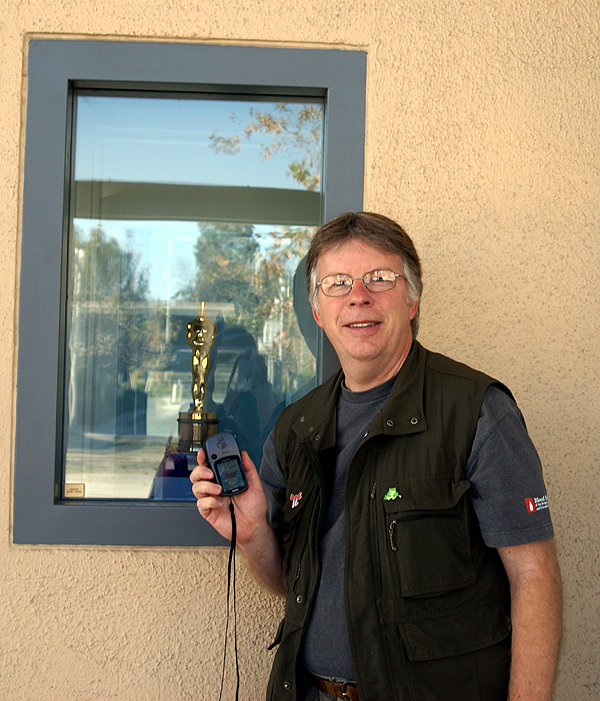
Observatory Quest - by Anton
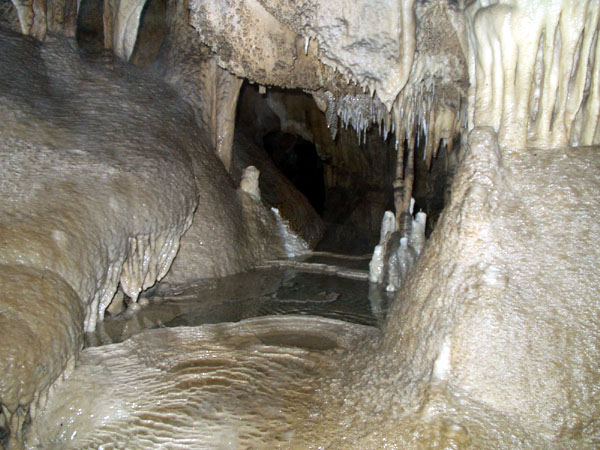
Speleo - by Melak

Profile for Webfoot

Thursday, April 24, 2008

I Gotta Ticket to the Moon

In the past, I’ve bemoaned the death of the locationless cache. Well, maybe bemoan isn’t quite the correct term, but I definitely liked the locationless cache because they made me aware of the environment that I was in at the moment. I would keep a list of 10 to 12 locationless caches in my head, so if I spotted something, I’d be able to log it, as an extra bonus cache when I was out and about doing my normal routine. The one problem with locationless caches was the fact that only one person could log any one of a particular group. When I found the national flag locationless, I actually did two different flags in case the first one, had already been taken by someone else. The first flag, a gigantic banner outside the Oasis Casino in Mequite, NV hadn’t been logged, so I got credit for the US Flag locationless cache.
Since locationless caches have all been archived at GC.com, the substitute for them is Waymarking. The title of the Waymarking webpage, calls it a scavenger hunt for unique and interesting locations in the world. It works a little bit differently than the old locationless, mainly because anyone can find a waymark, once someone had created one in the first place. There are multiple categories from which to choose and just about anything could qualify as a waymark. As a friend of mine once noted, “eventually everything in the world will be a waymark and then what will we do?” I think that’s going to take a long time to accomplish, so I guess we’ll just have to plug along until that happens.

The premise behind waymarking is that someone finds something interesting out there and posts the coordinates on the Waymarking website with a brief description of it. Once the waymark is approved (I’m an approver for the Water tower category), then anyone else can visit it. I guess I view it not so much as a scavenger hunt, but a way to see where some interesting places might be where you’re going to travel in the future. If you happen to like fountains, there’s a waymark category for fountains. You can search find a given area, and do a search for fountain waymarks in that particular area. I’ve found that going to the waymark site can sometimes be a little daunting, so I actually go to the Geocaching site and do my search from there.

Since I know I’m going to be geocaching, I can look at some of the caches that I’m probably going to be hunting and do a search from the cache page for the nearest waymarks. Once again, I keep a running list in my head of 10 to 12 waymarks that I’m interested in so if I see something in one of my categories, I can plan a “visit” to that particular waymark. If I don’t, I don’t sweat it, but I’m still on the lookout, because some points of interest may not have been waymarked and so I could possibly be the first to post that particular one.

That’s what I plan to do this summer on our camping trip. We're going to be camping near Point Reyes National Seashore and Redwoods National Park this summer. It will be the first time that the Tadpole will have seen coast redwoods in their natural setting. One of the waymarks that I follow is the Moon Trees category. Moon trees are trees that were germinated from seeds that were taken in astronaut Stuart Roosa’s personal kit as part of an experiment between NASA and the United States Forest Service. The seeds orbited the moon with Roosa in the command module of Apollo 14. When the seeds were brought back to earth, they were germinated by the Forest Service and then distributed around the country as part of the bicentennial celebration in 1975 and 1976. Three coast redwood trees (Moon trees) are growing on the campus of Humboldt State University in Northern California. What’s interesting to me about this is those trees were probably planted about two years before I started attending the university. My memory is hazy at best, but I seem to recall some sapling redwood trees on campus and a plaque, but nothing more. This summer, we’ll explore the area in more detail and make a waymark of those three trees since none exists at this time.

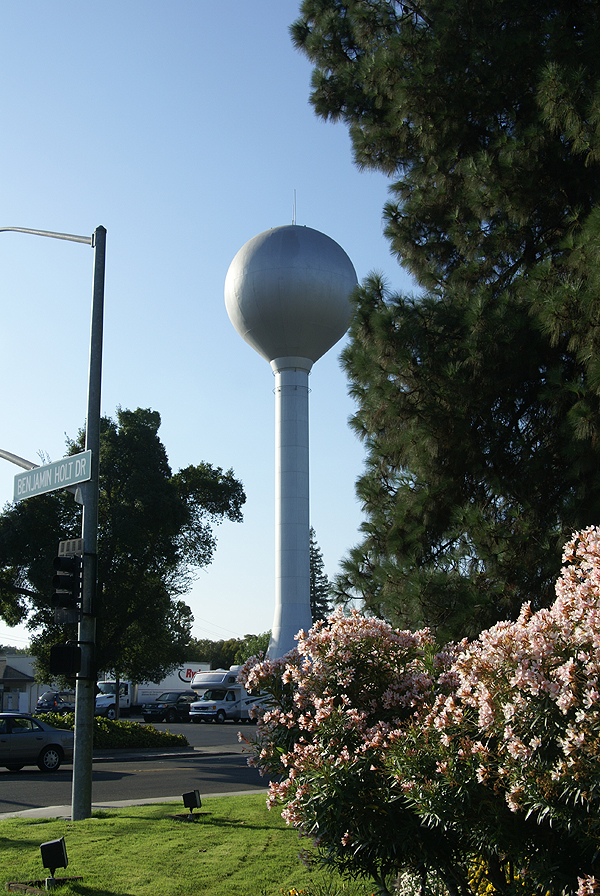
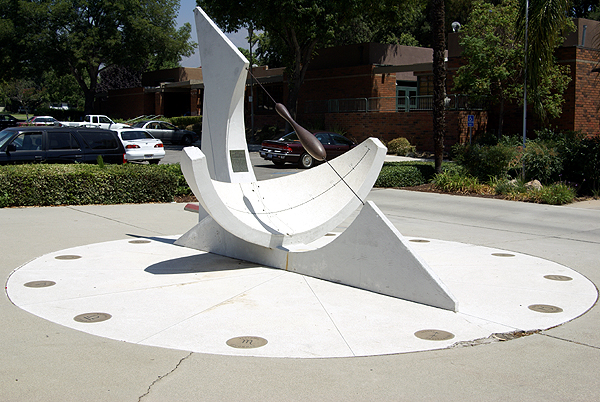
As far as other waymarks go, the only one that I’ll probably go out of my way to create would be the water tower category, since I am an officer of the water towers management. Since most water towers kind of stand out from their surroundings, it’s a perfect fit when you’re driving on the road. Spot a water tower, get off the freeway, mark the water tower’s coordinates in your GPSr, take some pictures, then, find some caches in the general area. Some of the other categories, you either have to know they’re there ahead of time like Presidential Birthplaces, or you just stumble upon them, like Sundials or Post Offices. Either way, I’ll keep my list small and hope that from time to time, I’ll stumble across something that fits one of my favorite waymark categories. Or, I might actively seek one out like I plan to do this summer.

Pictures were taken at the following waymarks or locationless caches:
US FLAG - by Saundersboys
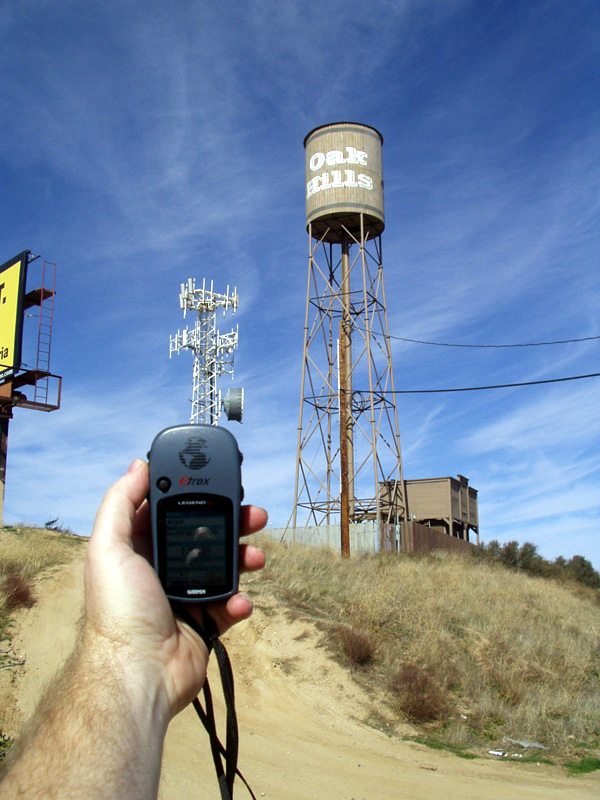
Lincoln Village Maintenance District Water Tower - by Webfoot
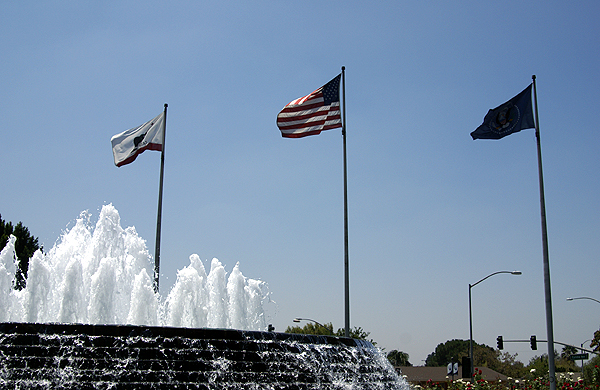
Richard Nixon Library Fountain, Yorba Linda, CA - by BackPak
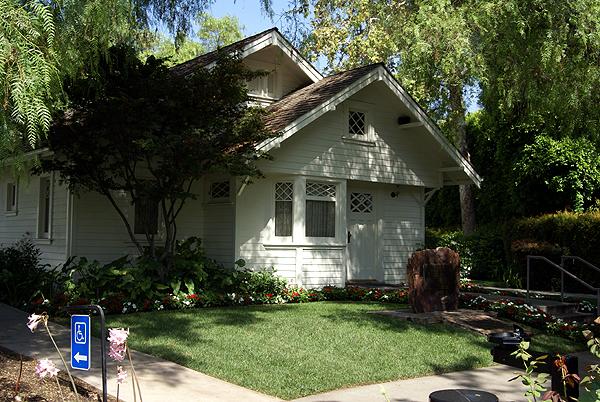
Richard M. Nixon Birthplace - by showbizkid
Larkin Memorial Sundial - by Webfoot


Wednesday, March 12, 2008

A Different Kind of Locationless Cache

I went caching last Saturday down in the O.C. My daughter was coming home from college and was going to be dropped off in Orange, so I thought I’d make a day of it and get some caching in before picking her up. I drove down to Anaheim and ended up getting a bunch around the Honda Center where the Ducks play their home hockey games. The day was rather open ended, which made it a fun day. I knew there was going to be a definite end to it, but I just went out and found caches. I came across a couple of lamp post caches, that I passed on because of muggles around and I wasn’t into waiting them out.
I found a couple of fast food caches that were better than some. Most fast food place caches tend to be lamp post or bush hides, but there was one that was hidden in the seating area. I was actually surprised that there weren’t any muggles eating there at the time since it was a beautiful day, but I had the area to myself, so I bought a Dr. Pepper and sat right by the cache. It made the find and the re-hide very easy to do. I’ll take that over a lamp post hide in the middle of a busy supermarket parking lot any day. The last cache was a micro, which led me over to Anaheim Stadium where the Angels play their home baseball games. That’s where I saw a water tower.

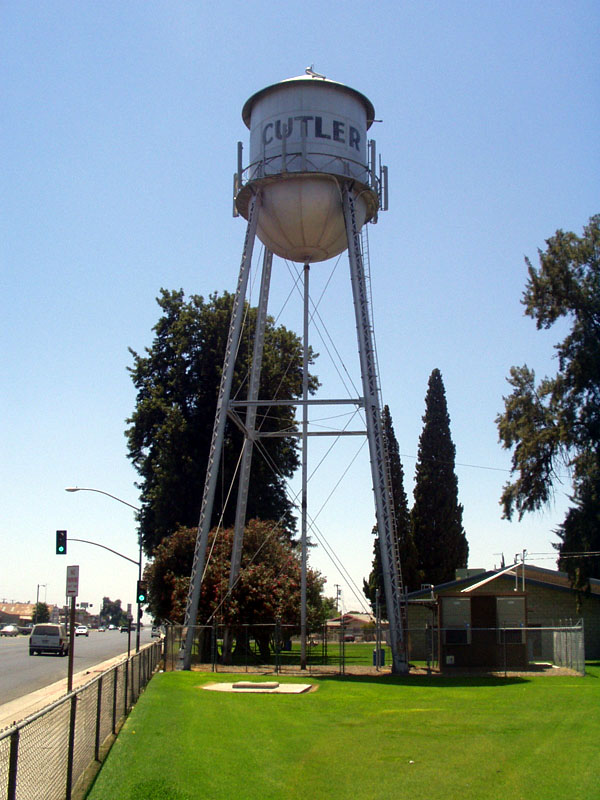
I’ve always found water towers very interesting. They tell a little bit about the town they’re found in, since most have been decorated in some way advertising something about the town. I found a water tower in Cutler, CA, when the locationless caches were still around. I would have done more if I’d been able to but since you could only log one per category in the locationless caches; that was it. That was the frustrating thing about locationless caches. I liked them because they made me more aware of my surroundings. I had a list of about 20 different locationless caches that I wanted to get. I’d get one, then add another. And yet, that’s what was frustrating, because once you got one, you couldn’t get another.

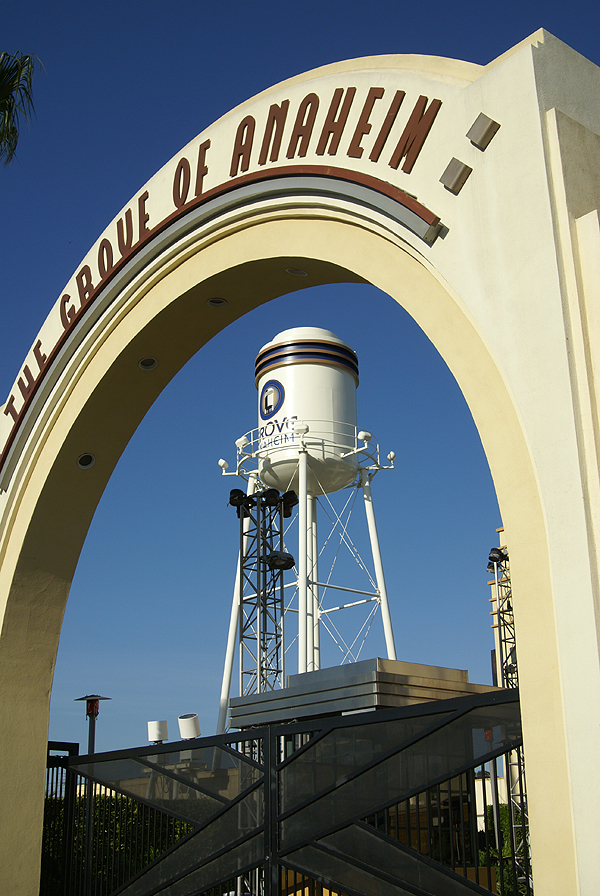
Enter waymarking. Most of the locationless caches were moved over to waymarking and now people were free to nab as many as they wanted. I’ve actually seen some really nifty water towers being part of the water tower management group, but I’m not sure I’d really seen a new water tower that was as cool as the one I saw near the stadium. It was situated on the grounds of the Grove Theater and made to look like something out of the 1920s, even though it probably wasn’t more than 10 years old at the most. Having grown up in the O.C. and gone to many Angels games, I knew it was fairly new.

So here I was, looking at this beautiful water tower and thinking to myself, “Self, you can waymark this one. There’s no limit to how many you can do.” So I did. I didn’t get a smiley face like when you geocache, but I got to document something that I find interesting and that’s what I think is the appeal to waymarking. Much like geocaching, you can choose not to find lame lamp post caches if you don’t want, in waymarking, you can choose what categories interest you and then you can waymark to your heart’s content.

I’ve tried to keep my focus of categories small, so I don’t overwhelm myself. I don’t always do waymarks all the time, nor do I always do them every time I see one that’s in one of my categories. Geocaching is still my first choice. But if the mood hits me, I’ll post a waymark or two. I’d done enough caching that Saturday, I’d cleaned out an area and so, the waymark seemed like a perfect way to end the day. In fact, it really wasn’t because once I’d documented that one, I knew of another one about three miles up the freeway, so I decided to head up to that one and get it too. But, just as I was getting on the freeway, my daughter called me saying she had arrived. So I guess it really was the perfect way to end an enjoyable day of caching and waymarking. The nice thing about waymarking is very few of them will get muggled, which means that other water tower will probably still be there the next time I head down into Orange County.

Friday, February 22, 2008

1000 words

If you’ve been paying attention at all, it’s rather obvious that I like to take pictures. When I go caching, I like to take my camera along. I don’t necessarily use it all the time, but I like to have it just in case. Sometimes, I get burned, when I’ve seen something especially cool, but don’t have the camera. I’ve even lamented about not having the camera along in a couple of logs.

As noted in another post, I’ll use my camera to cause a distraction in case muggles are paying close attention to me. But even though I’m using it as a distraction, I’m always thinking about how the picture could be used in the log that I’ll write about the cache find. Sometimes, the picture itself, will help tell the story of the cache find, and other times, the picture is there just because of something I saw, that I might not mention in the story, but thought it might make a nice looking shot.

When I first started caching, I had a 35mm camera so I most of the time I would only take the camera along when I knew I was going to end a roll of film and get them developed quickly after that. Then I had to scan the pictures and then upload them. I have a grand total of 5 pictures in my caching gallery that are pre-digital. Since going digital in late 2002, I have taken quite a few pictures. Some, as I looked through the gallery in anticipation of this article, made me think, whatdafuh was I thinking when I took that picture? Others, I’ve gotten lucky to be in the right place at the right time and others I’ve worked exceedingly hard to get the right shot. It’s probably like that with any photographer.

I’d wanted to go digital for awhile before actually getting my first digital camera, but I know one of the reasons I finally made the plunge was locationless caches. Locationless, or reverse caches are those caches where you had to find something, a specific object somewhere in the world, and then log it on the cache page. Geocaching.com relates it to a scavenger hunt and has since discontinued them, moving them over to Waymarking.com. Locationless caches usually involved taking a picture and uploading it with your log. Without a digital camera, it would be very hard to log a locationless cache, so that sort of pushed me over the edge into the digital camp. I now have almost 600 pictures taken digitally that I’ve posted in many of my logs.

Pictures enhance logs, in my opinion. It would probably be possible to take a picture at every cache you found, but that might prove to be impractical, unless you wanted to post spoiler pictures for every lamppost cache that you found. I’m sure cache owners wouldn’t be too pleased with that. I found when I take pictures, there are some times that I just hit delete when I get home. I took a lot of pictures on my road trip and when I got home and looked at some of them, I thought to myself, Eh, that one really doesn’t need to be posted. So it got deleted. And that’s ok. As I noted above, I really should have deleted some of the ones that I actually did post.

Sometimes when I take pictures on caching trips, it’s for the historical nature of the area. Most of the photos on the road trip fell into this category. Other times, the flora and fauna are just too spectacular to pass up. I’ll see some flowers and then get on a roll and it seems like that’s all I have are flowers. Other times it will seem like all I have are little scurrying creatures of some sort. Sometimes the pictures bring a bit of whimsy to my life and so I want to share them with others who read the logs. And of course, many pictures help tell the story.

A picture really is worth a 1000 words. Right now I’m averaging 114 words per log according to INATN. I can’t imagine how long my logs would be if I hadn’t brought my camera along for the ride.

Pictures were taken at or near the following geocaches:

Hofert's Walls #1 - by bookishblondie and LegoIan
Carpe Diem! - by HaZzMaTt
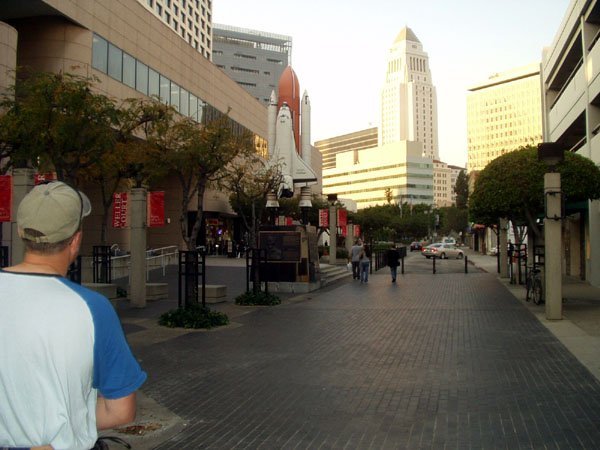
Bridge of Sighs - by TRUROKR
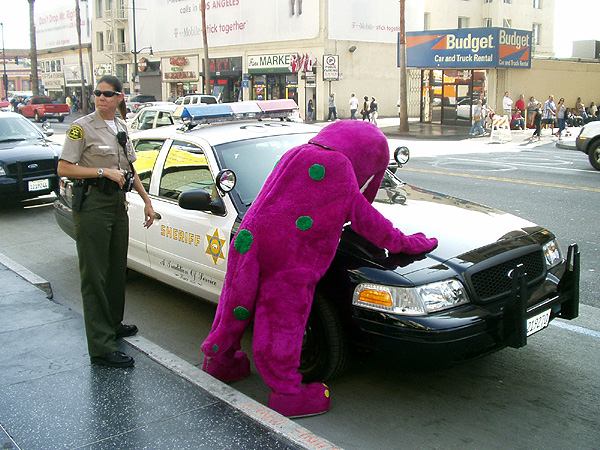
Walk of Fame - by Dru Morgan
A Slanted View with a Gentle Breeze - by TheDeviousMaxPower

Profile for Webfoot

Sunday, January 20, 2008

Virtually yours

I have found 67 virtual caches since I started caching back in 2001. Not a lot, but it represents 3.8% of all of my cache finds. Count the couple of Mystery caches which were really virtuals, the one webcam cache that I’ve logged, the earth caches that I’ve found and those pesky locationless caches and some folks would say that about 5% of my cache finds aren’t “real.” And those people would be right, when you consider that you’re supposed to find a cache container when you go out geocaching.

Does that make virtuals non-caches?
It seems that Geocaching.com appears to believe it since they don’t allow virtuals to be listed any more. They have allowed ones that were already created to be grandfathered in to the system. The same holds true for webcam caches. I know, because I own the Blue Jay Webcam cache. I don’t own any virtual caches, mainly because I couldn’t find, what I thought was a suitable location for a virtual. And I think there is where the problem lies with virtual caches. I’m not trying to pat myself on the back for this one, but I think if people had been a little bit more discriminating when they set out to create virtual caches, we might still be allowed to post virtual caches today.
The principles of a virtual are pretty simple. Instead of a cache to find, you have to find information. You then email the owner of the virtual with that information before you can log the cache. Sometimes, you have to post a current picture of you at the site which will satisfy the logging requirement. Sometimes you have to do both. Most are educational in some way and many are fun and whimsical.

As I went through the 67 different virtuals that I have logged, I can remember most of them right away. I can remember some of them being very interesting, helping me learn about the history of a given area, or perhaps taking me to a place where a real cache couldn’t be placed because it was either in a National Park, or on private property. Yet those caches still allowed me to play with my GPSr, got me to exercise my brain, and usually helped me learn something. What I also found interesting was the amount of pictures in my gallery that were devoted to virtual caches. Usually virtuals have that “Wow” factor built in that makes you want to grab your camera and take some pictures of that unique and/or beautiful area.

Since I've started caching, I’ve learned about the first Mayor’s house of Atwater, California, walked around Downtown Disney to find 20 – yes you read that right – 20 different waypoints, and seen the gravesite of one of Wyatt Earp’s relatives. I’ve been moved by a memorial to the Space Shuttle Challenger and almost brought to tears by a memorial to the California victims of 9/11. I’ve also hiked a trail in Joshua Tree National Park that I’ve avoided many times in the past because it didn’t look that interesting compared to some of the other spots in the park, and yet when I took that trail last November, my son and I found four virtuals along the trail and learned some interesting history about one of Joshua Tree’s local characters. Each of these I found to be good examples of what virtuals should be.

On the other hand, I can also remember several virtual geocaches where, after I’d gone through the motions of doing the required elements to log the cache, I thought, “Eh, that was ok, but couldn’t he have just placed a micro over here, or perhaps she could have set up an offset using some of the information on the plaque?”

Some of these virtuals I’ve found, were just plain lacking. The information could have been easily transmitted on the cache page and a real cache could have been hidden at the site. One virtual I found was about an oak tree that wasn’t there anymore. All the history of the tree was on the cache page, so why didn’t the hider just hide a cache there and leave the history on the cache page? Another was a shrine to frogs. Now I love frogs probably just as much as the next cacher, maybe even more, but couldn't the person have found a good sized plastic frog and created a cache with it and then placed it at the frog shrine? That might have been quite a tough cache to find. Still another virtual, required you to post a picture in front of a house that had, what can be described as pretty tacky landscaping. This particular house was featured in Steve Martin’s movie “The Jerk.” Yet another virtual looked down upon a movie studio in Hollywood. There were plenty of spots to hide at least a micro in the same general area and still have brought cachers to see the movie studio.
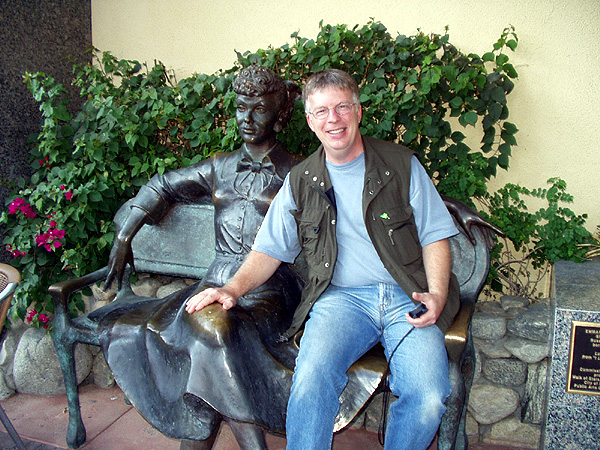
Some of the more questionable virtuals that I’ve listed above, and I’m sure you could probably look over your own list and find some that also fit that bill, are what probably prompted Geocaching.com to place a moratorium on the posting of new virtuals. It’s their website and they have the right to do that. I agree with what they’re trying to do, but I don’t necessarily agree with their methods. I think it would have been better to try and weed out the ones that were more questionable and allow those new ones with the “Wow” factor.

The one spot where I really think they should still allow virtuals is in our National Parks. In general, National Parks are the epitomy of the “Wow” factor. Since the National Park Service won’t allow traditional caches in the parks, virtual caches fit the bill perfectly. But, with the moratorium, they can’t be placed and I believe that’s a shame. As noted above, I would have missed out on some really interesting local history were it not for some geocaching virtuals. I’m sure it’s the same way for others. How easy would it be for Geocaching.com to make that exception regarding virtuals and allow them to be placed in National Parks again? Unless we, as a community speak up, it won’t happen. I’ve written letters and I hope others will as well. I think the early geocaching community didn’t police itself well enough and now we’re paying the price of no new virtuals. That is a shame, because a good virtual is worth its weight in gold in my opinion.

Profile for Webfoot